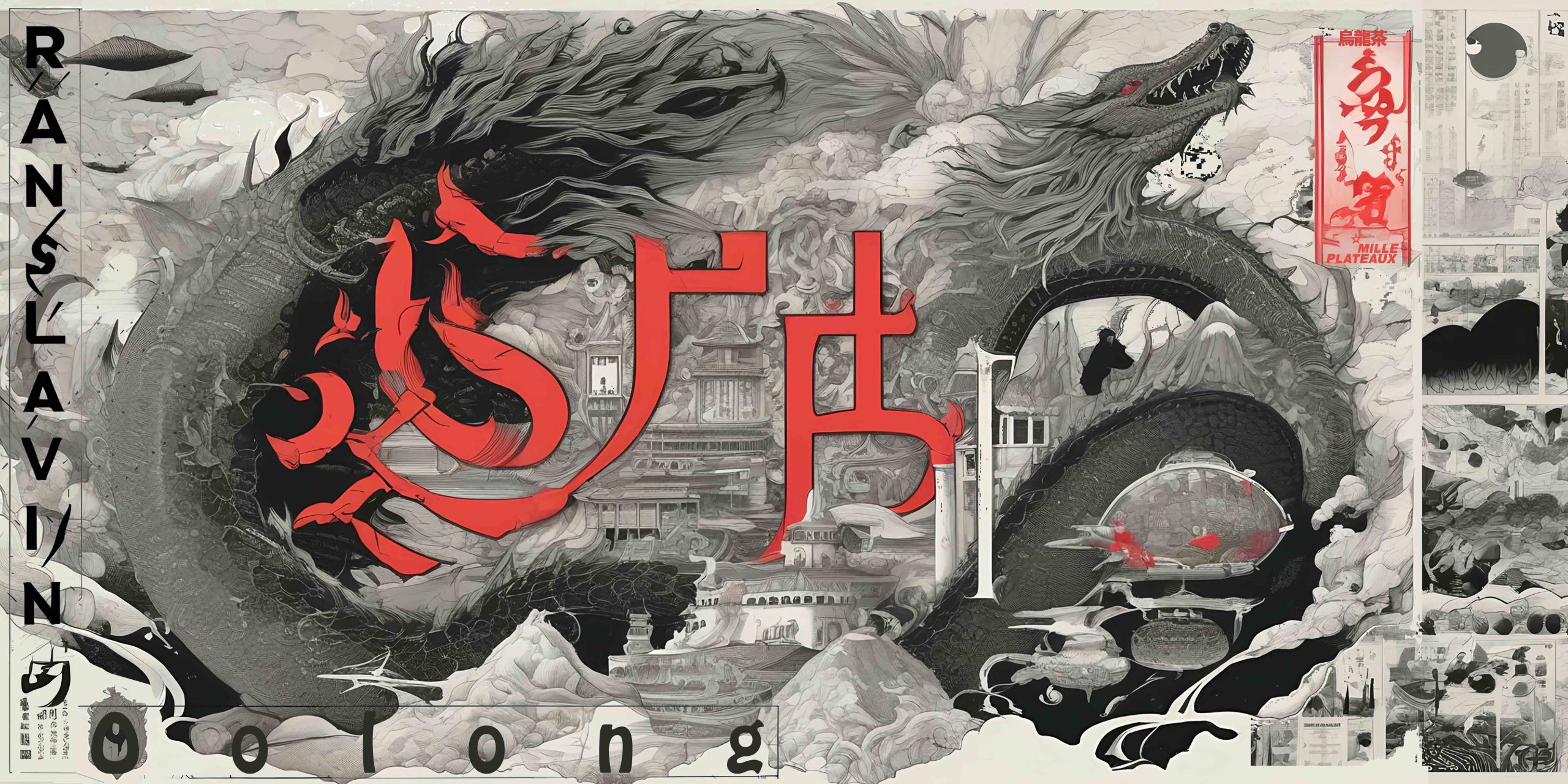
Oolong is a video-sound work combining footage shot in Vietnam with ambient music, released as an album in 2024.
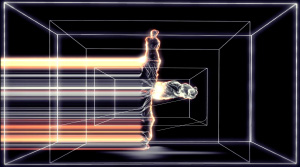
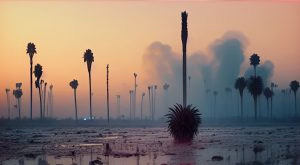
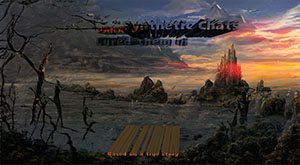
Landscapes, rivers, vegetation, boats, and urban spaces unfold through slow, attentive images. Rather than documenting a journey, the work transforms place into a shifting visual experience: a world of movement and stillness, presence and distance, in which time seems to seep into the image.
The videos can be experienced separately or as a continuous 69-minute audiovisual work. Its pacing and composition draw on cinematic gestures – framing, duration, slow motion, and montage – while the sound deepens and unsettles what we see. Each film is accompanied by a musical piece named after a tea blend, connecting the work’s shifting visual and sonic textures to the range of oxidation levels found in oolong tea, from 1% to 99%.
The project also exists as a 74-minute ambient, minimal-symphonic album.
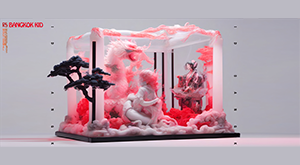
The Chinese name Wulóng literally means “black dragon.” The name is associated with the shape of the tea leaves, which twist and unfurl in hot water. The dragon (lóng) is a central image in Chinese culture, associated with water, rain, rivers, and the sea, as well as with forces of transformation, renewal, and movement between worlds. Unlike the dragon in Western traditions, it is not primarily associated with evil or threat, but with natural and cosmic forces, and at times with protection, fertility, and abundance.
In this sense, the black dragon becomes, in Oolong, an image of transformation and transition between states. Like tea leaves changing through the process of oxidation, it does not exist in a fixed form but remains in constant movement between states – between water and air, between matter and form, between presence and disappearance.
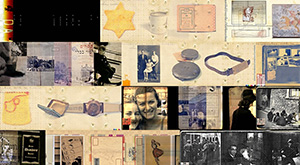
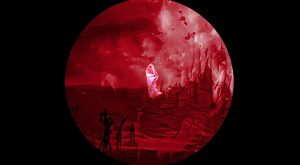
In the installation, this image becomes a metaphor for time and movement. Water, landscapes, and shifting spaces unfold at a slow, almost meditative pace, while the cinematic image becomes a state of sustained suspension. Memories of places do not appear as direct documentation, but as fleeting states of light, water, vegetation, and movement. The space moves between near and far, movement and stillness, appearance and disappearance, memory and the present.
Thus Oolong / the Black Dragon becomes an image that runs through the installation as a whole: an almost invisible, shifting force moving through water and time, continually changing its form.
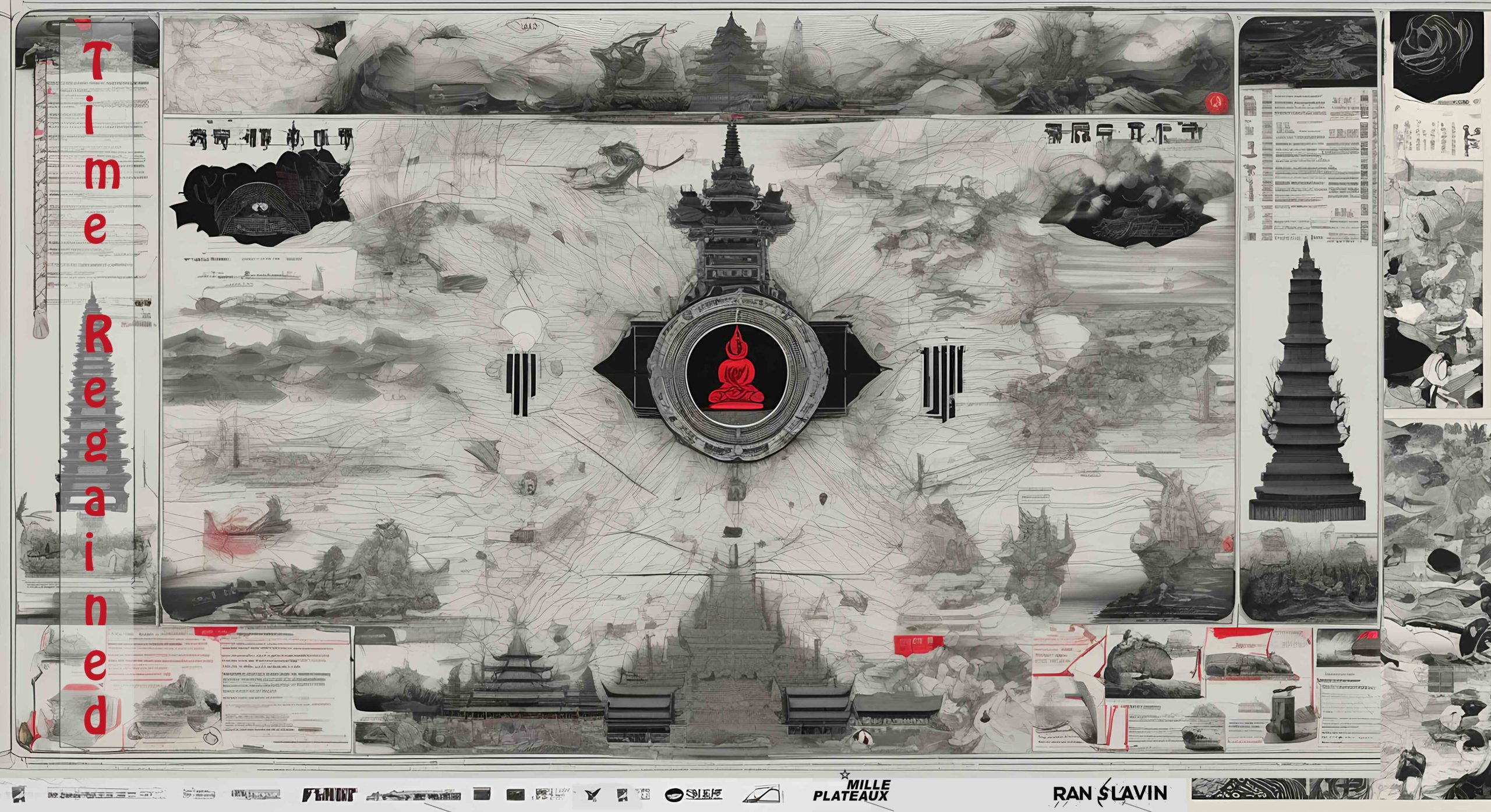
Cinema Black Dragon.